From Neorealism to Now: The Evolution of Italian Social Cinema
For decades, Italian cinema wasn't just entertainment; it was a mirror held up to society, a profound voice of commentary and dissent. From the ashes of World War II to the complexities of modern life, the nation's filmmakers have consistently engaged in deep critica cinema italiano, scrutinizing institutions, culture, and the human condition. This journey, beginning with the raw honesty of Neorealism, has shaped global cinematic language and continues to resonate, even as the landscape of film production dramatically shifts.
The Golden Age of Italian Social Critique: A Revolution on Screen
The mid-20th century marked a golden era for Italian cinema, a period stretching from the 1940s through the 1970s, where Italy emerged as an unparalleled artistic, cultural, and productive powerhouse. This was a time when Italian directors didn't just tell stories; they redefined storytelling itself, offering unique perspectives on societal issues that earned both critical acclaim and widespread popular appeal. For a deeper dive into this foundational period, explore our article on Italian Cinema's Golden Age: Mastering Social Critique.
Neorealism: Bearing Witness to a Nation's Wounds
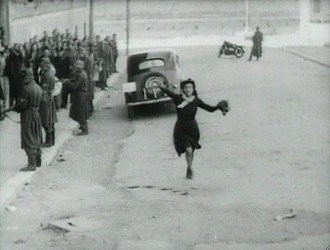
The genesis of this critical tradition lies in Neorealism, a radical break from the escapist "white telephone" films of the Fascist era. Born from the devastation of war and the immediate post-war struggle, Neorealism presented a stark, empathetic, and profoundly human gaze at ordinary people's lives. Films like Roberto Rossellini's Rome, Open City (Roma città aperta), Vittorio De Sica's Bicycle Thieves (Ladri di biciclette), and Luchino Visconti's The Earth Trembles (La terra trema) weren't merely artistic masterpieces; they were societal canvases.
Shot often on location with non-professional actors, these films captured the grim realities of poverty, unemployment, and moral decay, allowing audiences to see their own struggles and dignity reflected on screen. This movement didn't just document; it interrogated, questioning the cost of war and the very fabric of society.
Commedia all'italiana: Laughter with a Bitter Aftertaste
Following Neorealism, the "Commedia all'italiana" blossomed, a genre often misunderstood today as simple comedy. Yet, in its heyday, it was a razor-sharp tool for critica cinema italiano. Emerging from Italy's post-war economic boom and the accompanying social hypocrisies, these films masterfully blended irony and disenchantment, lightness and incisive social commentary.
From Pietro Germi's satirical look at divorce laws in Divorce Italian Style (Divorzio all'italiana) to Dino Risi's critique of materialist excess in The Easy Life (Il sorpasso), and Ettore Scola's nostalgic yet biting reflection on friendship and politics in We All Loved Each Other So Much (C'eravamo tanto amati), these comedies made an entire nation laugh bitterly. They held up a merciless but living mirror to national vices, consumerism, and the erosion of traditional values, proving that humor could be a powerful weapon of critique.
Beyond Genre: Political Cinema and Auteur Voices
Alongside these dominant movements, Italian cinema also saw the rise of genre films that transcended their categories to offer social commentary. Sergio Leone reinvented the Western, injecting it with moral ambiguity and a critical look at capitalism and violence. Mario Bava and Dario Argento pioneered visionary horror, often exploring deeper psychological and societal fears. The "poliziesco" (crime film) and political thrillers of the 1970s became particularly potent vehicles for critique.
The 1970s specifically saw a courageous peak in political cinema, with directors like Elio Petri, Francesco Rosi, and Marco Bellocchio. These filmmakers transformed the analysis of institutions, power structures, and corruption into tense, accessible, and profound cinematic language. Petri's Investigation of a Citizen Above Suspicion (Indagine su un cittadino al di sopra di ogni sospetto) searingly dissected unchecked power, while Rosi's Illustrious Corpses (Cadaveri eccellenti) explored political conspiracy and the state's moral decay.
Moreover, auteur directors like Michelangelo Antonioni and Federico Fellini, while often more contemplative and personal, still engaged with social themes. Antonioni explored modern alienation, emotional void, and the breakdown of communication in a rapidly changing society. Fellini, with his dreamlike and baroque imagery, often satirized the superficiality and moral emptiness of the Italian bourgeoisie, as vividly portrayed in La Dolce Vita. Crucially, these films, regardless of their artistic depth, were not confined to cinephile circles; they filled cinemas, won festivals, and captivated audiences globally, proving that sophisticated critica cinema italiano could also be a mass phenomenon.
The Shifting Tides: From Cultural Zenith to Modern Challenges
The vibrant era of unparalleled Italian cinematic influence, however, began to wane. The 1980s marked a significant turning point, often seen as the beginning of a slow but inexorable decline. With a booming economy and a profound transformation in cultural consumption, the priorities of both audiences and producers began to shift. The intense focus on social realism and political critique started to lose ground to new forms of entertainment.
The Rise of Global Platforms and "Easy" Content
In the subsequent decades, the challenges multiplied. The globalization of the film industry, the rise of multiplexes, and eventually, the dominance of digital platforms and streaming services fundamentally altered how films were financed, produced, and consumed. There's a prevailing sentiment that market demands and the pursuit of "easy" productions, designed for quick entertainment, have increasingly sidelined genuine critica cinema italiano.
This isn't unique to Italy, but for a nation so historically defined by its cinematic social conscience, the shift has been particularly keenly felt. Films conceived primarily for digital consumption or broad international appeal sometimes prioritize fast-paced narratives and universal themes over the specific, often uncomfortable, social interrogations that defined earlier eras. The question of whether contemporary Italian cinema still maintains its critical edge is a complex one, and we delve deeper into this in our related article: Has Italian Cinema Lost Its Edge in Social Critique Today?
Contemporary Italian Cinema: Is the Flame of Social Critique Still Burning?
Despite the undeniable changes and commercial pressures, the spirit of critica cinema italiano has not entirely vanished. While the contemporary landscape might seem dominated by lighter comedies and serial productions for digital platforms, a significant number of films and directors continue, sometimes with great success, to place urgent social issues back at the center of their narratives.
Navigating Modern Realities: New Voices and Urgent Themes
Today's Italian social cinema often tackles contemporary challenges with renewed urgency. Themes such as immigration and integration, economic inequality, organized crime (beyond traditional mafia narratives), corruption within political and corporate spheres, environmental concerns, and the struggles of marginalized communities are explored through fresh perspectives. Directors like Matteo Garrone (e.g., Gomorrah, Dogman), Paolo Sorrentino (e.g., The Great Beauty, which critiques modern Italian decadence), and Alice Rohrwacher (e.g., Happy as Lazzaro, exploring social hierarchies and exploitation) demonstrate that the tradition of profound social observation continues, albeit in evolving forms.
These films might be less overtly didactic than their 1970s counterparts, often employing allegory, personal narratives, or black humor to convey their messages. They reflect a more nuanced, fragmented society, and their critique is often woven into the psychological fabric of their characters and settings rather than presented as grand political statements.
Tips for Appreciating Modern Critica Cinema Italiano
For those eager to discover the contemporary pulse of Italian social critique, here are some actionable tips:
- Look Beyond the Mainstream Comedies: While Italy still produces many lighthearted films, the true heirs of social critique are often found outside the biggest box office hits.
- Explore Film Festivals: Italian films making waves at international festivals (Venice, Cannes, Berlin) are frequently those engaging with deeper social or political themes.
- Seek Out Independent Productions: Many smaller, independent films offer raw, unfiltered insights into current Italian realities. Streaming platforms and specialized distributors can be good sources.
- Understand the Socio-Political Context: A basic understanding of current events, political debates, and social issues in Italy will greatly enhance your appreciation of the films' critical depth.
- Recognize Evolving Forms of Critique: Social critique isn't always overt. It can be subtle, symbolic, or manifest through character studies, psychological drama, or even experimental forms. Look for what the film is *not* saying as much as what it is.
From the foundational honesty of Neorealism to the biting wit of Commedia all'italiana, and through the courageous political cinema of the 1970s, Italian filmmakers have consistently leveraged their craft for profound social commentary. While the cinematic landscape has dramatically shifted, and challenges persist, the spirit of critica cinema italiano remains alive, adapting to new realities and continuing to offer essential insights into the human condition. It reminds us that cinema, at its best, is not merely a form of escapism, but a vital tool for understanding, questioning, and ultimately, shaping our world.